Topic
Null — How to Read a Film: Shots, Cuts, and Camera Moves
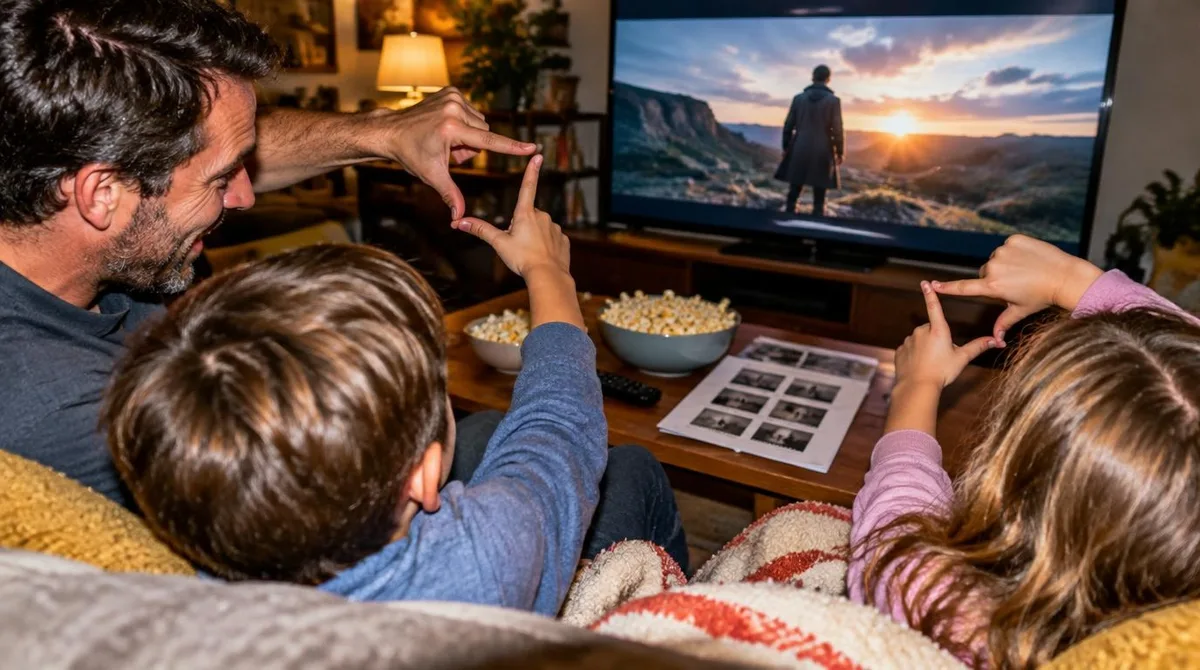
Film critics read shots, cuts, and camera moves, and Wikipedia's film reference entries supply the plain-language toolkit any family can practice on movie night.
Film critics read shots, cuts, and camera moves, and Wikipedia's film reference entries supply the plain-language toolkit any family can practice on movie night.

A quick tour of hello customs, so your family's first meeting abroad starts warm instead of awkward.

Screen time rules work best as anchors tied to the family's day, an approach the American Academy of Pediatrics' 2026 media plan guide and routine research both support.
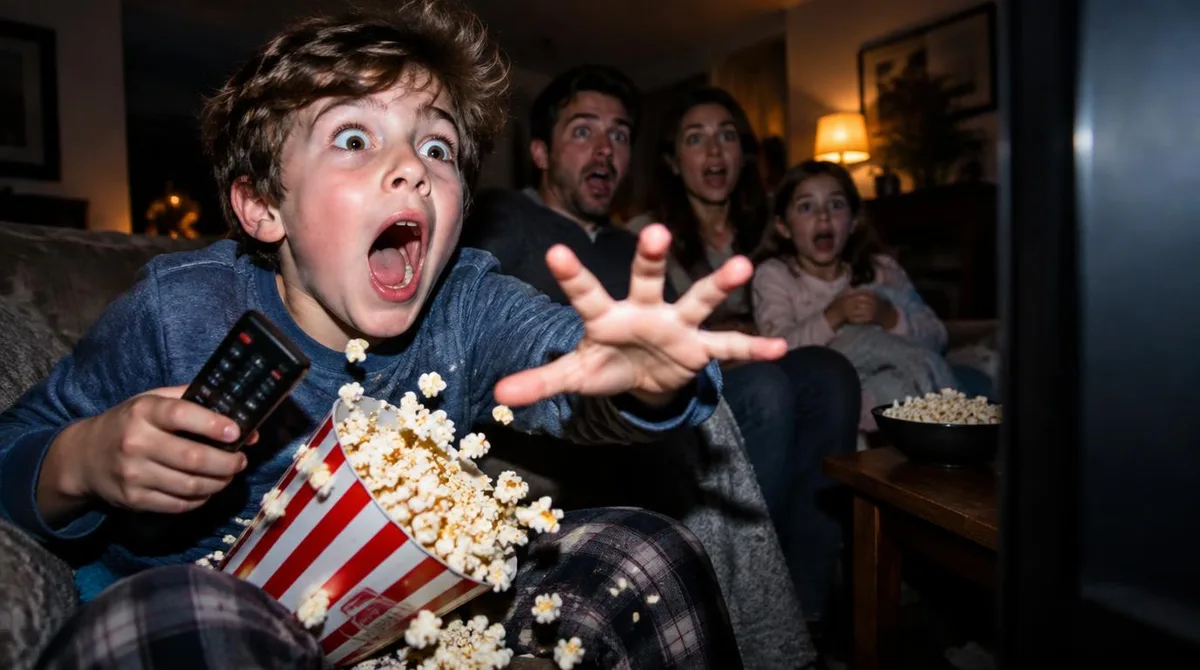
A great twist doesn't just shock you. It quietly rebuilds the whole movie you thought you were watching.

Reunions people attend get a fixed date a year ahead, a job for every family branch, and a spot everyone can reach, then lean on meals and tradition.

No cards, no screens, no snack-sized dice under the seat. Just games that start with a sentence and run for miles.

The late-night couch lost its monopoly. Long-form video and podcasts now do the job of making a star feel like a person.
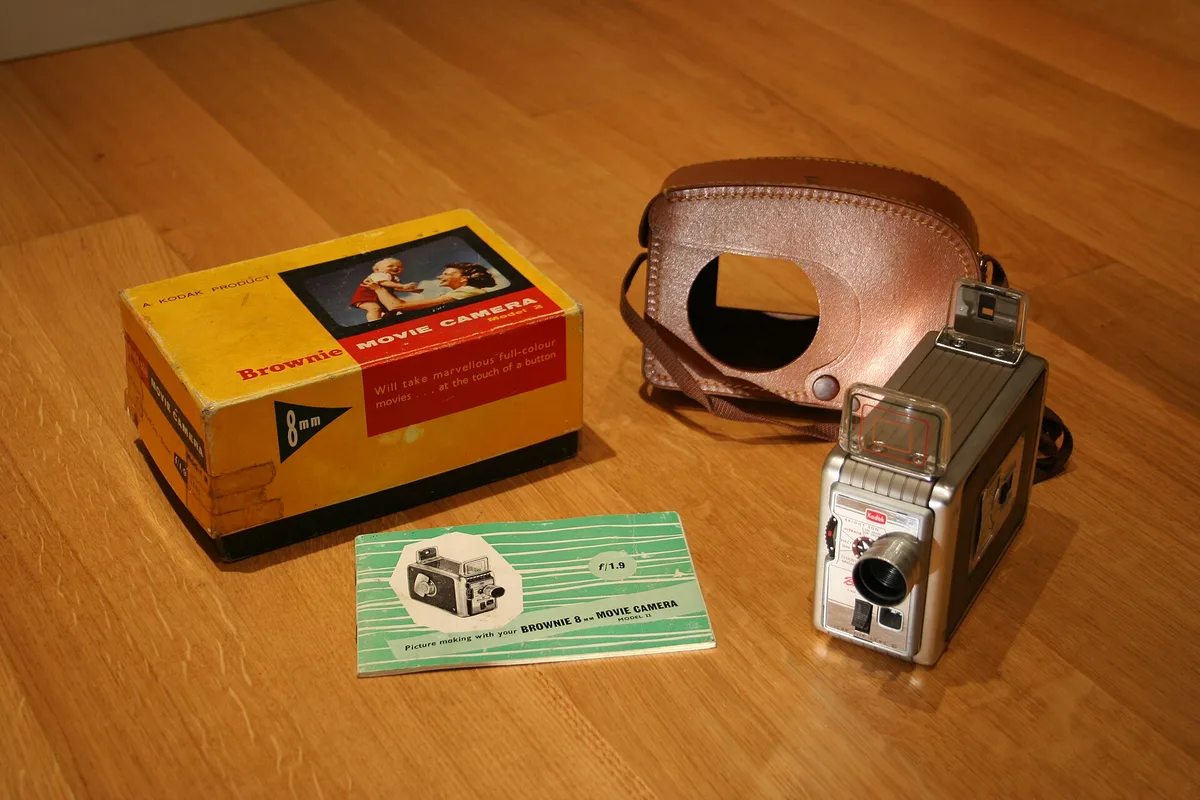
Home film developing needs only a changing bag, a tank, and three chemicals for black-and-white rolls, while color still goes to a lab.
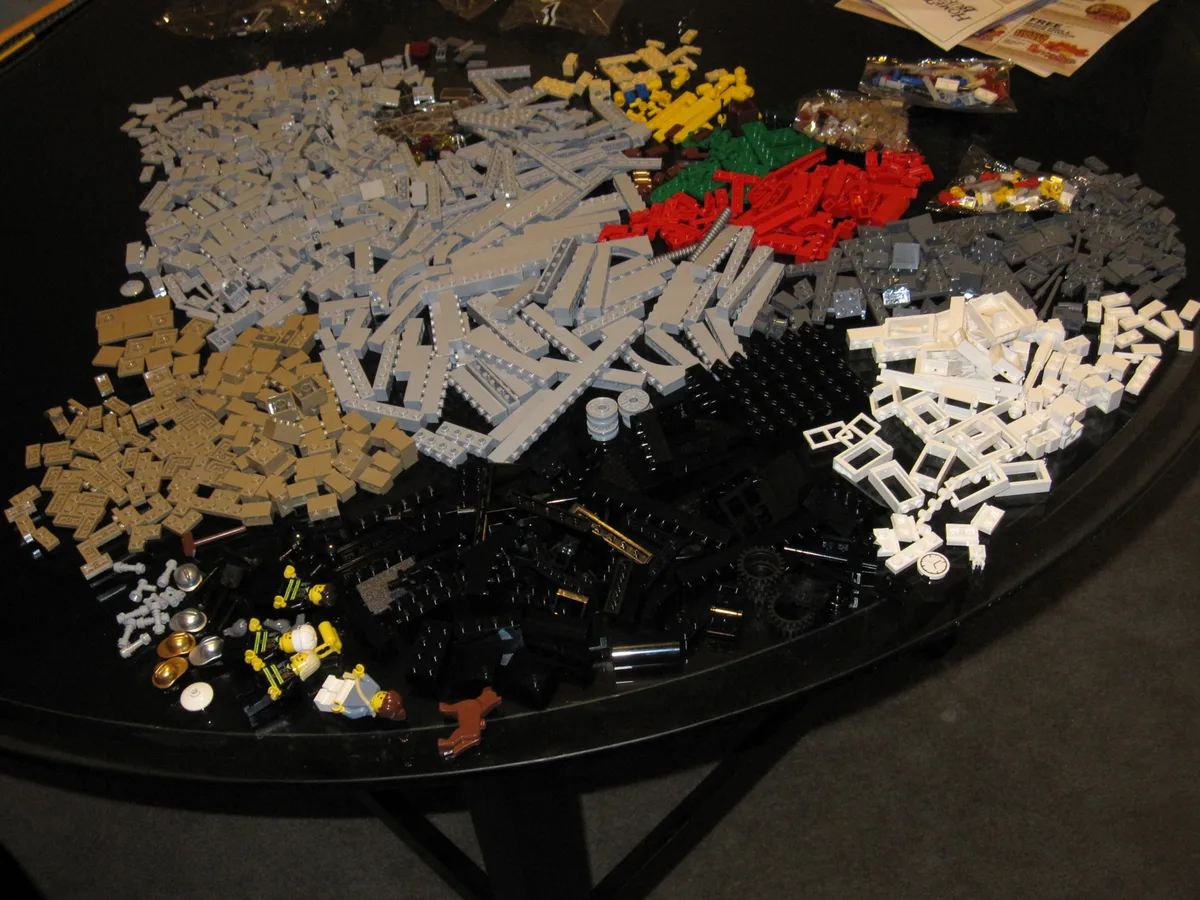
Adults have become a core Lego audience, with 18+ sets, film tie-ins, and lockdown habits all playing a part. Here is why grown-ups are building again.
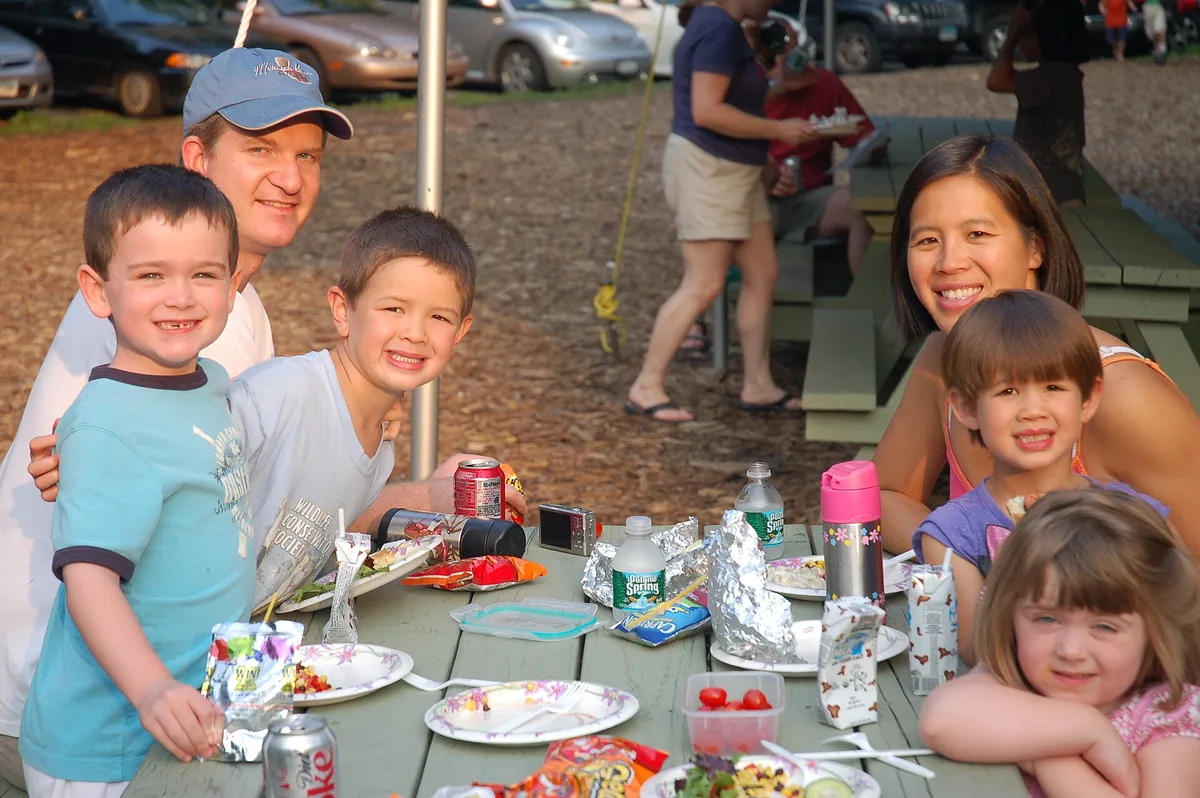
Plan a family picnic that runs smoothly: pick the right spot, pack simple sturdy food, time the day around kids and keep backup plans ready.